
Shall Be Spoiled
- Justin Ray

- Sep 19, 2020
- 4 min read
Hosea 10:13-15
I have said this many times in the past, we must be careful in applying blessings, promises, an even curses to any people or nation to which they were not originally given. What we can do is read the blessings, promises, and curses to understand the heart of God. Such is the case with our text today. There are specifics that do not apply to anyone beyond the text. However, there is within this text the heart of God towards those who willfully cultivate sin in their lives.
Ye have plowed wickedness, ye have reaped iniquity;
Ye have eaten the fruit of lies:
Because thou didst trust in thy way,
In the multitude of thy mighty men.
14 Therefore shall a tumult arise among thy people,
And all thy fortresses shall be spoiled,
As Shalman spoiled Beth-arbel in the day of battle:
The mother was dashed in pieces upon her children.
15 So shall Beth-el do unto you because of your great wickedness:
In a morning shall the king of Israel utterly be cut off.
Hosea 10:13-15
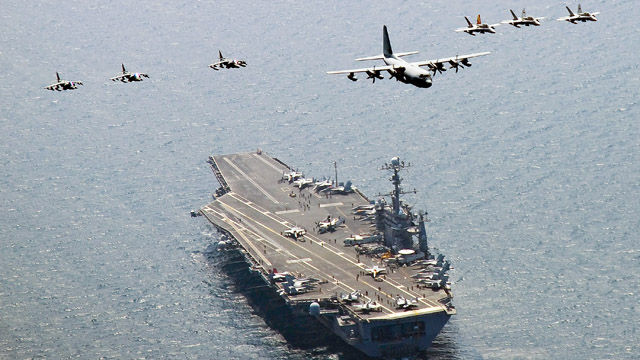
"Ye have plowed wickedness" speaks of literal care and cultivation of sinful practices. There is intent when you plow. Plowing requires the intentional hooking up of equipment to either a beast of burden or a tractor. Then, there is intentional effort to prepare the ground for the seed that is being planted; in this case wickedness. God is telling the people of Judah that they have been intentional in their sinful behavior and the day of harvest had come. No only had the people intentionally prepared for sin, they had intentional reaped the harvest and enjoyed the fruit of their harvest. "Ye have reaped iniquity;ye have eaten the fruit of lies" tells of the complete indulgence in sin. Isn't that how sin appears? Look at how Genesis 3:6 describes the temptation to sin: "And when the woman saw that the tree was good for food, and that it was pleasant to the eyes, and a tree to be desired to make one wise...". Just like Eve in the Garden of Eden, the people of Judah thought that they could sin and not have negative consequences. Just like Eve, they were about to learn the hard reality of sin. "Because thou didst trust in thy way, in the multitude of thy mighty men. Therefore shall a tumult arise among they people, and all thy fortresses shall be spoiled" tells that they put their faith in themselves. They did not fear God but thought they could rebel against Him and their own strength would protect them. Their armies and fortresses were no more better to cover and protect them than the fig leaves that Adam and Eve sowed together in the garden. We are incapable of protecting ourselves from the wrath of God against sin. We may dismiss it. We may deny it. We may persecute God's preachers who warn of it. What we cannot do is prevent it. The only hope we have is mercy and forgiveness. The rest of the text speaks of a specific battle. Scholars are not certain as to the exact event that Hosea is referring to. Honestly, it does not really matter. We can tell from the text that it was brutal. Mothers and children were killed indiscriminately. It wasn't just the soldiers. It wasn't just the government. This massacre was carried out on all the people. Just as the battle to which Hosea is referencing involved all, so will God's judgment for sin. There is none that will escape the coming judgment referred to in the text. God does not like intentional sin. God will judge all sin but willful rebellion against him is always judged more severely. I fear America is on the verge of such a judgment as this. We have very much "plowed wickedness", "reaped iniquity", and "eaten the fruit of lies". We have rejected God and trusted in our own ways. We put great trust in our military and defenses. Just like Judah learned, our military and defenses cannot protect us from God's wrath. He can take an unheard of military and bring us to our knees. He can also allow us to rot from the inside out. The only hope we have is forgiveness and mercy. This will only be granted if we repent.
I usually end my devotions with a prayer. I believe Daniel's prayer of forgiveness is fitting for out times.
Daniel 9:4-6, 20 4 And I prayed unto the LORD my God, and made my confession, and said, O Lord, the great and dreadful God, keeping the covenant and mercy to them that love him, and to them that keep his commandments; 5 We have sinned, and have committed iniquity, and have done wickedly, and have rebelled, even by departing from thy precepts and from thy judgments: 6 Neither have we hearkened unto thy servants the prophets, which spake in thy name to our kings, our princes, and our fathers, and to all the people of the land.
20 And whiles I was speaking, and praying, and confessing my sin and the sin of my people Israel, and presenting my supplication before the LORD my God for the holy mountain of my God


Comments